

Building Resilient Supply Chains in a Disruptive World
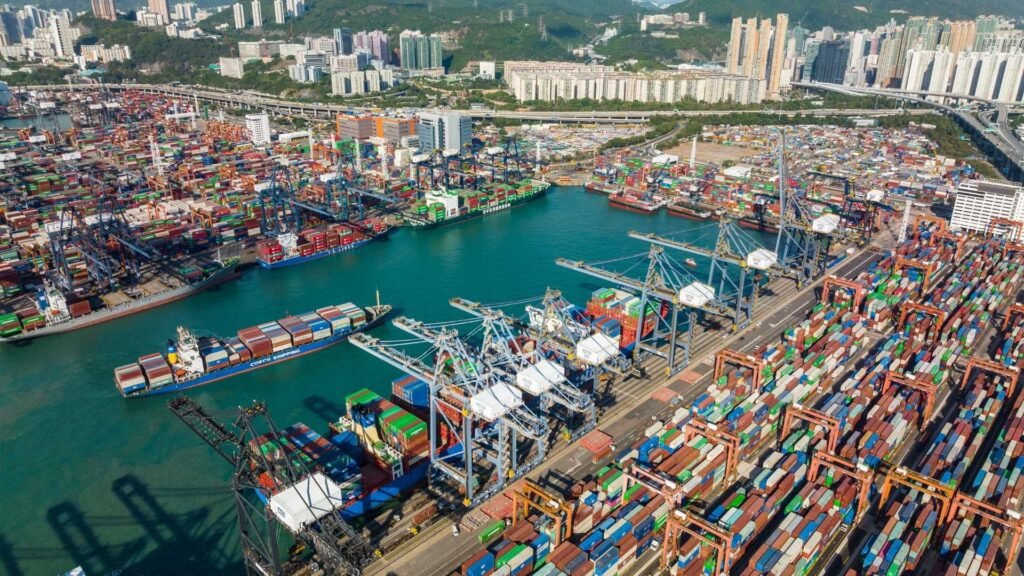
In today’s interconnected global economy, supply chains are more complex than ever. While this interconnectedness brings efficiency, it also introduces vulnerability. Events such as pandemics, geopolitical tensions, and natural disasters have exposed weaknesses in traditional supply chain models. As a result, resilience has become a top priority for organizations worldwide.
A resilient supply chain is one that can adapt quickly to disruptions while maintaining operations. One of the key strategies for achieving this is diversification. Companies are increasingly sourcing materials from multiple suppliers across different regions. This reduces dependence on a single source and minimizes the risk of disruption.
Another important factor is visibility. Real-time tracking technologies allow organizations to monitor shipments, inventory levels, and supplier performance. This visibility enables quicker responses to disruptions and better decision-making. Technologies such as IoT and cloud platforms play a critical role in enhancing supply chain transparency.
Collaboration is also essential. Strong relationships with suppliers, logistics providers, and partners improve coordination and communication. When disruptions occur, collaborative networks can respond more effectively than isolated entities.
Inventory management strategies are also evolving. While just-in-time (JIT) models prioritize efficiency, they can be risky during disruptions. Many organizations are now adopting a hybrid approach, maintaining strategic stock levels to ensure continuity.
Digital transformation is a key enabler of supply chain resilience. Advanced analytics and AI can predict potential disruptions and recommend proactive measures. For example, predictive models can forecast demand fluctuations or identify risks in specific regions.
Sustainability is becoming an integral part of supply chain strategies. Organizations are focusing on reducing emissions, optimizing transportation routes, and adopting eco-friendly practices. Sustainable supply chains not only benefit the environment but also enhance brand reputation.
In conclusion, building resilient supply chains requires a combination of diversification, technology, collaboration, and strategic planning. In an unpredictable world, resilience is no longer optional—it is essential for long-term success.
By Dr. Helena Vance