

The Role of AI in Modern Supply Chain Management
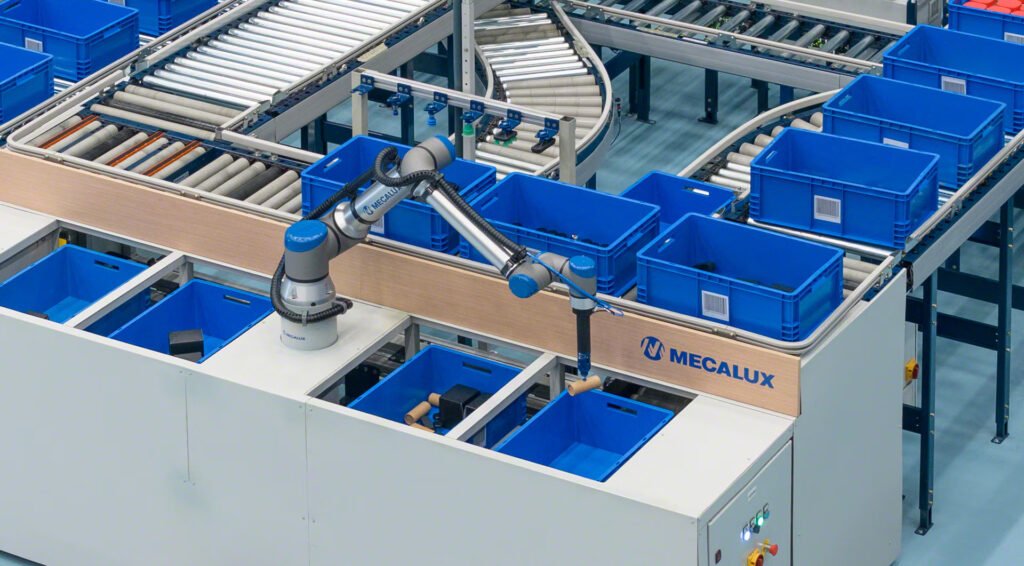
Artificial Intelligence (AI) is transforming supply chain management by enabling smarter, faster, and more efficient operations. From demand forecasting to warehouse automation, AI is reshaping how organizations manage their supply chains.
One of the most significant applications of AI is demand forecasting. Traditional forecasting methods rely on historical data and manual analysis, which can be inaccurate. AI, on the other hand, uses machine learning algorithms to analyze vast amounts of data and identify patterns. This leads to more accurate predictions and better inventory management.
Warehouse operations are also benefiting from AI. Automated systems and robots can handle tasks such as picking, packing, and sorting. This reduces human error, increases efficiency, and lowers operational costs. Smart warehouses are becoming increasingly common in modern supply chains.
AI also improves logistics and transportation. Route optimization algorithms analyze traffic conditions, weather data, and delivery schedules to determine the most efficient routes. This reduces fuel consumption and delivery times.
Risk management is another area where AI plays a crucial role. By analyzing data from multiple sources, AI can identify potential risks such as supplier delays, geopolitical issues, or natural disasters. This allows organizations to take proactive measures and minimize disruptions.
Customer experience is also enhanced through AI. Real-time tracking, personalized delivery options, and faster service improve customer satisfaction. In today’s competitive market, a strong supply chain can be a key differentiator.
However, implementing AI comes with challenges. Organizations must invest in technology, data infrastructure, and skilled professionals. Data quality is also critical—AI systems rely on accurate and reliable data to function effectively.
In conclusion, AI is revolutionizing supply chain management. Organizations that embrace AI will gain a competitive advantage through improved efficiency, better decision-making, and enhanced customer experiences.
By Dr. Helena Vance